


The Return of Doctor X (1939) (BLU-RAY REVIEW)
Director: Vincent Sherman
Starring: Wayne Morris, Rosemary Lane, Humphrey Bogart
RATED: UR/REGION 0/1:37/1080P/NUMBER OF DISCS 1
AVAILABLE FROM Warner Archive Collection

Vincent Sherman’s The Return of Doctor X emerges as a curious blend of horror and science fiction, encapsulating the aesthetic and stylistic conventions of late 1930s cinema. On one hand, this film has the audacity to delve into the realm of the undead, fueled by both an eerie plot and a dash of pre-World War II cultural anxiety. On the other, it sometimes falters under the weight of its eccentricities and cheap special effects.
The plot centers around the titular Doctor X, portrayed with flamboyant charm and a hint of unsettling magnetism by the indelible Humphrey Bogart. Set against the backdrop of a thriving newspaper and the dark underbelly of Transylvanian horror, what piques intrigue is the film’s examination of humanity’s obsession with life and death. Dr. X’s resurrection, as absurd as it is compelling, raises fundamental queries about moral ethics and the boundaries of scientific exploration—questions that still resonate today.
Themes of ambition, death, and redemption flicker through the narrative, initially evoking curiosity, though the execution often leans towards the campy. The tone can be jarring; there’s an awkward juxtaposition between the eerie setup and the occasional quippy dialogue that seems a tad out of place in an otherwise chilling narrative. This tonal inconsistency, rather than enhancing the film’s charm, sometimes disrupts its flow.
Bogart’s performance stands out as a bright spot. His portrayal of both a tragic figure and an unsettlingly charismatic madman, his delivery imbues life into the somewhat predictable script. While the supporting cast, including the frazzled journalist and the damsel-in-distress, offer decent performances, they struggle to rise above the melodrama that wraps the narrative like a thick fog. Their characters often feel more like archetypes than fully-formed individuals, which hampers the emotional weight the film could have pulled off successfully.
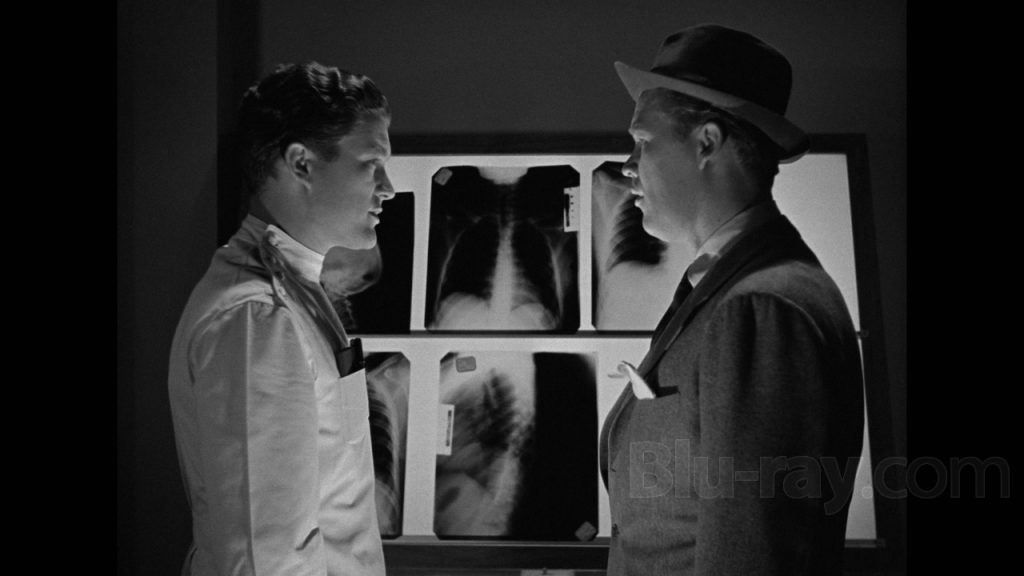
Director Vincent Sherman employs a blend of atmospheric visuals and shadowy cinematography that highlights the film’s horror tendencies. Yet, the production design betrays the low-budget backdrop—sets can feel rudimentary, leading to a cartoonish depiction of the ‘mad doctor’ motif. The special effects, though ingenious for the time, come across as a bit clunky today. The unsettling ambiance is effectively generated with clever lighting, but ultimately, it is shackled by the limitations of its era.
The score drapes itself over the scenes with a haunting subtlety. The sound design—especially the sporadic instances of eerie music jolting the narrative forward—punctuates the emotions in a way that could evoke both tension and, surprisingly, laughter in its audacity.

As I reflect back on The Return of Doctor X, it’s a film that oscillates between engaging curiosity and confused bewilderment. It draws you in with its macabre concept and Bogart’s captivating performance but struggles with pacing and tonal coherence. The surreal experience left me both entertained and perplexed, feeling more like a brief historical curiosity than a timeless classic. Perhaps that’s the film’s truest characteristic—a relic of its time that invites viewers to explore the very boundaries of film as it dabbles in horror, tinged with the unmistakable scent of camp.
So, while it may not be a must-see for horror aficionados, it provides a fascinating glimpse into the genre’s development and offers a bit of enjoyment through its quirky cast and peculiar charm. Overall, The Return of Doctor X is an enigmatic cinematic experience that will leave you both shaking your head and chuckling at its sheer audacity.
Extras
- Audio Commentary with director Vincent Sherman and author/film historian Dr. Steve Haberman
- Classic Cartoons Doggone Modern & Porky’s Hotel
- Original Theatrical Trailer