

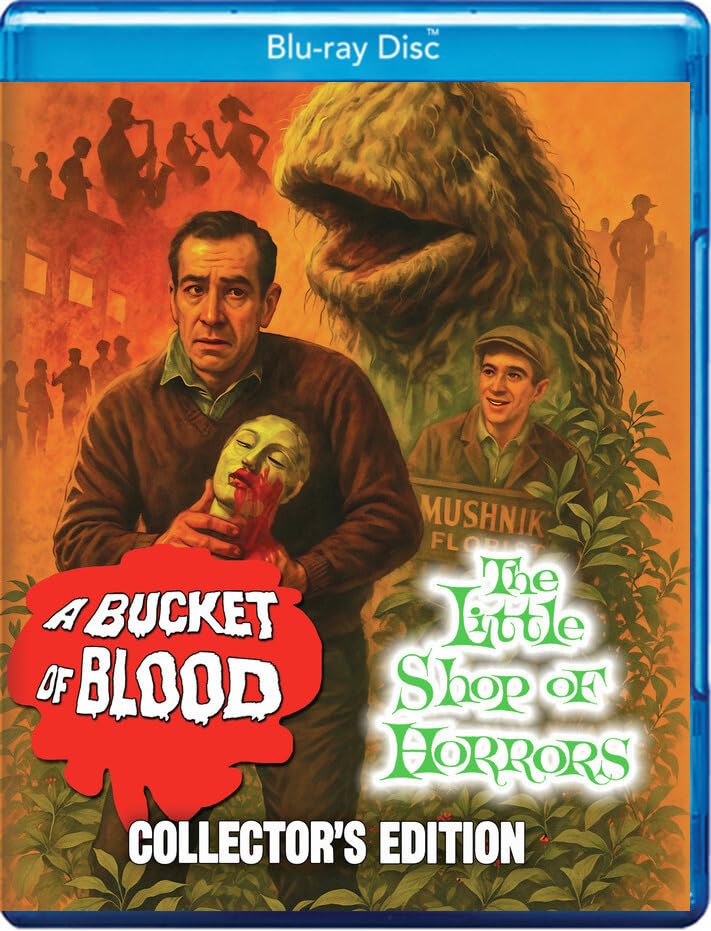
A Bucket of Blood / The Little Shop of Horrors (Collector’s Edition) (Blu-ray Review)
RATED: UR/Region: O/1:78 & 1:66/1080P/NUMBER OF DISCS 1 (BDr)
AVAILABLE FROM Gemini Entertainment
A Bucket of Blood (1959)
DIRECTED BY: Roger Corman
STARRING: Dick Miller, Barboura Morris
The late 1950s were a magical time in cinema. Giant monsters stomped around rubber cities, teenagers were blamed for everything, and filmmakers discovered that if you slapped a ridiculous title on a poster, audiences would at least buy a ticket out of sheer curiosity. Enter A Bucket of Blood, the gloriously scrappy horror-comedy from low-budget wizard Roger Corman.
The film follows Walter Paisley, played with wonderfully awkward energy by Dick Miller, a busboy at a beatnik coffeehouse who desperately wants to be accepted by the local “artists.” Unfortunately, Walter’s artistic talent level hovers somewhere between “kindergarten macaroni collage” and “guy who can barely draw a stick figure.”
But then Walter discovers a shortcut to artistic success: murder… and plaster.
After accidentally killing a cat (which is already a great way to get the audience slightly uncomfortable), Walter covers it in clay and passes it off as avant-garde sculpture. To everyone’s shock—including Walter’s—the beatnik crowd thinks it’s brilliant. Suddenly the guy who couldn’t get anyone to notice him before is the hottest artist in town. Naturally, the only logical next step is to start making more “sculptures,” and unfortunately for the local population, Walter’s supply of living models keeps increasing.
The movie gleefully skewers the beatnik art scene, which in Corman’s universe appears to consist mostly of people snapping their fingers, speaking in dramatic poetry, and praising anything that looks weird enough to be “deep.” One character literally performs spoken-word poetry about a coffee machine. And somehow it still isn’t the strangest thing in the film.
What makes A Bucket of Blood so much fun is that it never pretends to be anything other than a cheeky little B-movie. The sets are small, the runtime barely breaks an hour, and you can practically feel how quickly the whole thing was thrown together. (Corman famously shot it in about five days, which honestly explains a lot.) But the movie leans into its absurd premise with such enthusiasm that it becomes oddly charming.
And then there’s Dick Miller. His performance as Walter is the secret sauce here. He manages to make the character creepy, sad, and weirdly sympathetic all at the same time. You almost feel bad for the guy… right up until he starts adding people to his art collection.
Is it a masterpiece? No. Is it a wonderfully snarky little satire wrapped inside a cheap horror movie? Absolutely.
A Bucket of Blood is the kind of movie that proves you don’t need a huge budget to make something memorable—you just need a bizarre idea, a sharp sense of humor, and the willingness to make the art world look completely ridiculous.
And maybe a little plaster. Just… preferably not applied to the neighbors.

The Little Shop of Horrors (1960)
DIRECTED BY: Roger Corman
STARRING: Jonathan Haze, Jackie Joseph, Jack Nicholson
If you’ve ever wondered what would happen if someone made a horror-comedy about a man-eating plant on what was basically pocket change and about the same amount of planning time, look no further than The Little Shop of Horrors. Directed by B-movie speed demon Roger Corman, this cult classic feels less like a carefully crafted movie and more like a filmmaking dare that somehow worked.
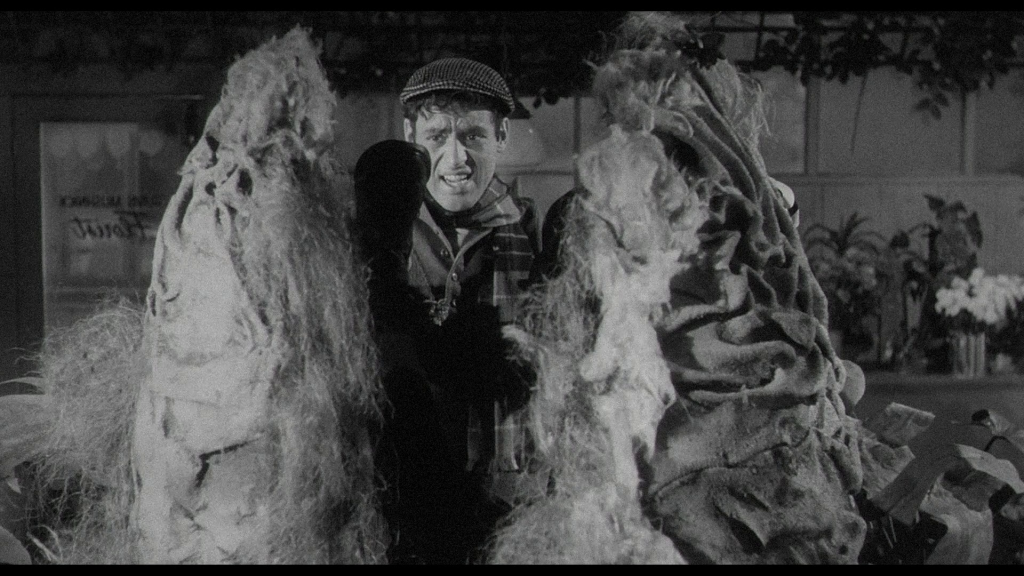
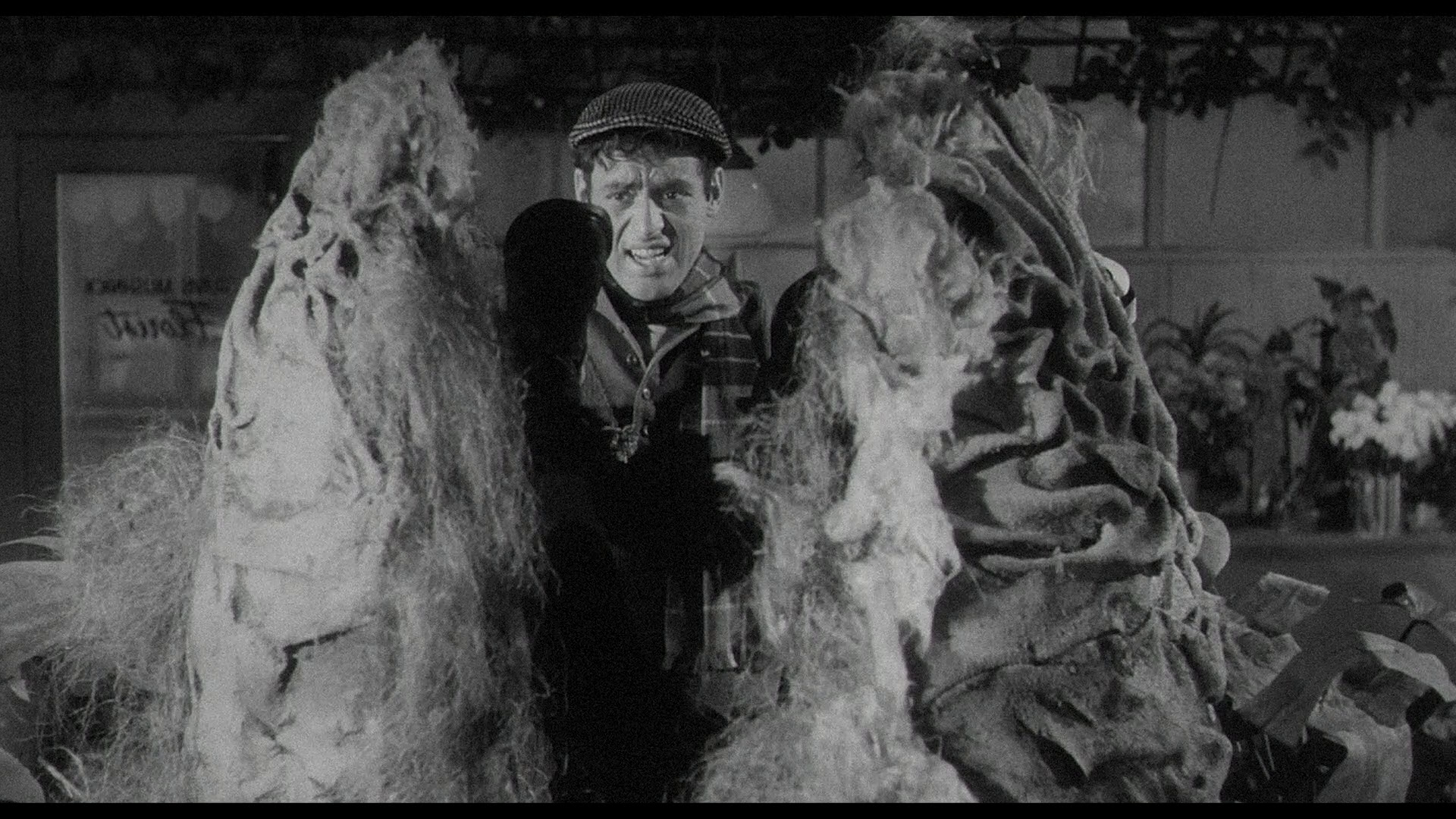
The story centers on Seymour Krelboyne, played by the wonderfully nervous Jonathan Haze, a shy assistant at a run-down flower shop who discovers a strange plant that quickly becomes the shop’s biggest attraction. The plant, affectionately named Audrey Jr., is unusual for two reasons: it grows at an alarming rate… and it has a very strong preference for human blood.
Because naturally it does.
As Seymour tries to keep the plant alive (and the shop profitable), he finds himself slowly sliding down the slippery slope of accidental murder, cover-ups, and the kind of poor decision-making that would make any sensible person immediately reconsider their career in botany.
What makes The Little Shop of Horrors so entertaining isn’t just the ridiculous premise—it’s the pure chaotic energy of the production. Roger Corman famously shot the movie in just a couple of days on leftover sets, which means the film moves at the speed of someone trying to finish a term paper five minutes before the deadline. Scenes barrel forward with barely a moment to breathe, and somehow that frantic pace makes everything even funnier.
Then there’s the supporting cast of oddballs who wander in and out of the flower shop like they’re auditioning for a competition called “Most Unhinged Character in a B-Movie.” The standout among them is a young Jack Nicholson, who pops up in a brief but legendary role as a dental patient who enjoys pain a little too much. It’s one of those moments where you suddenly realize, “Wait… is that Jack Nicholson?” Yes. Yes it is. And he’s having a fantastic time being completely weird.
The plant effects themselves are about as convincing as you’d expect from a 1960 low-budget production, which is to say they’re charmingly goofy. But honestly, that’s part of the appeal. The movie knows it’s ridiculous and never once tries to pretend otherwise.
At barely over an hour long, The Little Shop of Horrors zips by like a caffeinated fever dream filled with dark humor, strange characters, and one very hungry houseplant. It’s scrappy, silly, and completely unapologetic about its B-movie roots.
In other words, it’s exactly the kind of wonderfully weird movie that Roger Corman built his reputation on.
Just remember: if your houseplant ever asks for blood, maybe try fertilizer first.

Extras
- Low Res VHS Versions
- Roger Corman Trailer Reels
- Digital Liner Notes