


Bad Lieutenant: Port of Call New Orleans (2009) (DVD REVIEW)
Directed By: Werner Herzog
Starring: Nicolas Cage, Eva Mendes, Val Kilmer
RATED: NC-17/REGION: 1/Widescreen/NUMBER OF DISCS: 1 (DVDr)
AVAILABLE FROM SP Releasing LLC

There are films that challenge our perception of morality, and then there are films that plunge us headlong into the chaotic abyss of human depravity. “Bad Lieutenant: Port of Call New Orleans,” directed by Werner Herzog and starring the incomparable Nicolas Cage, fits the latter description with a haunting fervor that lingers long after the credits roll.
The narrative unfolds in the sultry, rain-soaked streets of post-Katrina New Orleans, focusing on Terence McDonagh (Cage), a corrupt cop who juxtaposes power with vulnerability as he succumbs to a mélange of drug addiction and moral decay. The film grapples with themes of guilt, redemption, and the intricate dance between chaos and order, leaving you in a swamp of ethical ambiguity. However, the plot occasionally flounders in its own murky depths; it feels more like a series of episodic vignettes rather than a cohesive storyline, which can be disorienting.
Cage’s performance is nothing short of an ecstatic revelation. He embodies McDonagh with a fervor that’s both terrifying and mesmerizing, oscillating between moments of manic energy and profound despair. His portrayal resonates with a raw authenticity that makes it almost impossible to root for him, yet you can’t help but be captivated by his descent into madness. The supporting cast, including Val Kilmer and Eva Mendes, serves to amplify the film’s tension, albeit with uneven character development that sometimes leaves them feeling like mere pawns in McDonagh’s narrative.
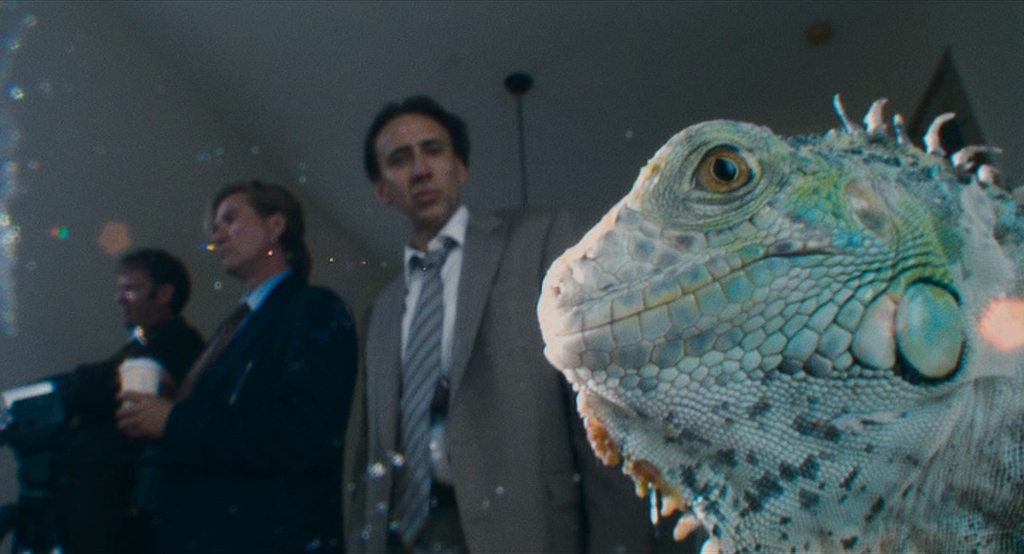
Herzog’s direction walks a fine line between the absurd and the poetic, resulting in a tone that is often disjointed yet striking. He imbues the film with a sense of surrealism, illustrated through vivid imagery that often borders on hallucinatory. There are moments that feel plucked from dreams—or nightmares—that leave viewers simultaneously enthralled and repulsed. Still, this very surrealism can occasionally alienate those seeking a more traditional narrative structure.
As I walked away from “Bad Lieutenant: Port of Call New Orleans,” I was left grappling with a peculiar mix of fascination and unease. The film succeeds in evoking an emotional response that is as haunting as it is reflective, challenging viewers to confront the nature of vice and redemption. It stirs questions about the fragility of humanity amidst chaos, even if it doesn’t wholly deliver on the intricate tapestry it attempts to weave.
In conclusion, “Bad Lieutenant: Port of Call New Orleans” may not resonate with everyone, but for those who embrace its chaotic symphony, it offers a profound, albeit unsettling, exploration of one man’s descent into the depths of despair. It’s a film that will leave you questioning where the line between right and wrong is drawn, and more importantly, who is wielding the pencil.