


Pusher Trilogy (4K Ultra HD Review)
DIRECTED BY: Nicolas Winding Refn
STARRING: Kim Bodnia, Mads Mikkelsen, Zlatko Burić
RATED: 18UK/Region: O/2:39/2160P/NUMBER OF DISCS 1
AVAILABLE FROM Second Sight Films

Pusher (1996)
Nicolas Winding Refn’s Pusher (1996) is what happens when a director locks himself in a room with a camcorder, a bag of nihilism, and a burning desire to prove he’s very serious about crime. Shot with all the visual finesse of a hostage video, Pusher insists on dragging you through Copenhagen’s underbelly in real time, as if daring you to tap out before the misery marathon is complete.
The plot—such as it is—revolves around a low-level dealer whose life collapses because he’s bad at math, worse at planning, and catastrophically allergic to consequences. Refn stretches this thin premise into a feature-length anxiety attack, where every scene exists to remind you that criminals are stressed, sweaty, and incapable of making good decisions. Message received. Repeatedly.
Stylistically, Pusher feels like Refn’s rough draft for a career-long obsession with masculine self-destruction. The handheld camerawork jitters like it’s on caffeine, the lighting is aggressively ugly, and the pacing is intentionally exhausting—because nothing says “art” like making the audience feel trapped in a bad week they didn’t sign up for. It’s realism, sure, but realism filtered through the belief that boredom and tension are the same thing.
That said, there’s an undeniable rawness here. The performances feel lived-in, the dialogue sounds like it was ripped from actual conversations, and the film does succeed at making crime look profoundly unglamorous. Unfortunately, Refn’s insistence on wallowing in grime without offering much insight beyond “this sucks” keeps Pusher from transcending its own bleakness.
In the end, Pusher is an impressive debut in the sense that it loudly announces a filmmaker who will later learn how to stylize misery instead of just dumping it in your lap. It’s important, influential, and occasionally gripping—but also a grim, repetitive slog that feels less like a movie and more like being stuck with the world’s most stressful acquaintance for 105 minutes.
Pusher II (2004)
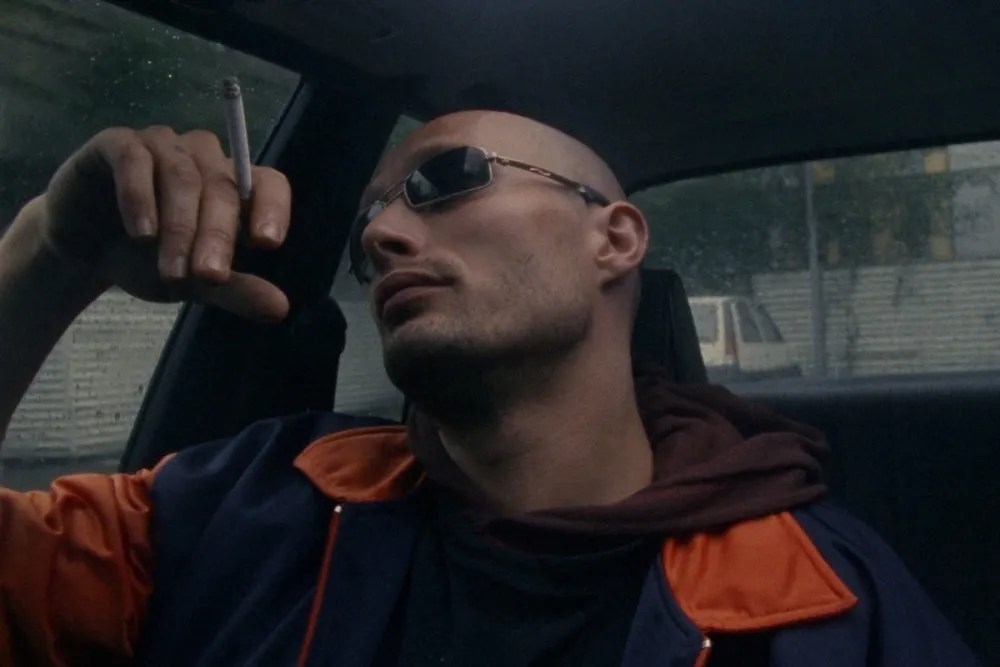
Pusher II: With Blood on My Hands (2004) is Nicolas Winding Refn returning to the Copenhagen underworld like a man who swore he was done with this crowd, only to show up again because the vibes were still aggressively miserable. This time the spotlight is on Tonny, a walking bad decision with a shaved head and the emotional intelligence of a dented ashtray, proving that Refn’s true muse isn’t crime—it’s male insecurity stretched to feature length.
Where Pusher was chaotic and jittery, Pusher II slows things down just enough to let the sadness really marinate. Refn trades some of the raw, documentary panic for a more deliberate kind of despair, which mostly means longer scenes of Tonny being humiliated by everyone he meets, especially his father, who treats emotional abuse like a competitive sport. If you ever wondered what generational trauma looks like when it wears a leather jacket and never says “sorry,” here you go.
Mads Mikkelsen is undeniably committed, turning Tonny into a tragicomic mess of bravado and desperation. It’s a performance so raw you can practically smell the stale beer and regret. Unfortunately, Refn seems convinced that watching Tonny spiral in slow motion is inherently profound, so the film keeps circling the same emotional drain, daring you to confuse repetition with depth.
Visually, Refn is inching toward the stylized director he’ll eventually become, but Pusher II is still stuck halfway between gritty realism and artsy brooding. The handheld camerawork remains stubbornly ugly, the color palette is allergic to joy, and the pacing feels like it’s intentionally testing your patience as a form of cinematic hazing.
In the end, Pusher II is more focused and emotionally grounded than the original, which almost makes it more frustrating. There’s a real character study buried in here, but Refn can’t resist smothering it in relentless bleakness. It’s a compelling portrait of a man who wants redemption but lacks the tools to achieve it—and a film that wants to be tragic but sometimes settles for just being exhausting.
Pusher III (2005)
Pusher III: I’m the Angel of Death (2005) is Nicolas Winding Refn finally admitting that the Pusher saga was never about crime—it was about men aging badly and resenting the universe for it. This time the focus shifts to Milo, a drug lord whose greatest enemy is no longer rival dealers, but time, responsibility, and the horrifying realization that the party cannot, in fact, last forever.
Set mostly over the course of a single day, Pusher III unfolds like the world’s grimmest birthday celebration. Milo is trying to host a party for his daughter while juggling junkies, murders, and business disputes, which Refn presents as a metaphor so subtle it might as well be written in blood: crime and domesticity do not mix. Watching Milo attempt fatherhood is less heartwarming arc and more slow-motion existential collapse.
Zlatko Burić is excellent, delivering a performance that’s equal parts menace and midlife crisis. He’s terrifying not because he’s flashy, but because he’s tired—and Refn milks that exhaustion for all it’s worth. Every scene feels soaked in resentment, regret, and the creeping dread of obsolescence. If Pusher II was about inherited trauma, Pusher III is about what happens when you realize you’ve successfully become the monster.
By now, Refn’s style is more controlled, but still allergic to anything resembling pleasure. The handheld grit remains, the pacing is deliberately punishing, and the film seems convinced that lingering on every awkward silence will unlock some deeper truth. Sometimes it does. Sometimes it just feels like Refn daring you to blink first.
As a finale, Pusher III is arguably the strongest and most coherent of the trilogy, which is both a compliment and a warning. It’s thoughtful, bleak, and surprisingly mature—yet still determined to leave you emotionally wrung out and mildly annoyed. In the end, it’s a fitting conclusion: a crime saga that ends not with a bang, but with a hangover, a crying child, and the crushing knowledge that there’s no clean way out once you’ve built your life on bad choices.
Special Features
- 3-disc UHD box set
- New 4K restorations by Director Nicolas Winding Refn
- Features Dolby Atmos and original Dolby Digital 5.1 mixes
- New audio commentary with Nicolas Winding Refn and Peter Bradshaw (Pusher)
- New audio commentary with Nicolas Winding Refn and Catherine Shoard (Pusher II)
- New audio commentary with Nicolas Winding Refn and Alan Jones (Pusher III)
- Gambler: feature-length documentary
- Danish director Poul Nyrup’s 1960s trilogy of youth films in new 4K restorations: Mellem Venner, Call Girl Centralen “Villa Vennely” and Stenbroens “Helte”. Sharing a kinship with the Pusher trilogy in their uncompromising depiction of marginalised lives, Nicolas Winding Refn dedicated Pusher III to the director.