

Devil’s Doorway (1950) (BLU-RAY REVIEW)
Director: Anthony Mann
Starring: Robert Taylor, Louis Calhern, Paula Raymond
RATED: UR/REGION 0/1:37/1080P/NUMBER OF DISCS 1
AVAILABLE FROM Warner Archive Collection

Shoshone tribesman and Civil War hero Lance Poole (Robert Taylor) returns home with a Congressional Medal of Honor on his chest and a saddlebag full of dreams about prospering as a cattleman on his family’s land. But Native Americans have no citizenship, no property rights. The courts, despite the efforts of Lane’s attorney (Paula Raymond) offer no remedy. Lance and his people must fight to keep their land. Devil’s Doorway, the first of the several groundbreaking Westerns by master auteur filmmaker Anthony Mann (The Naked Spur) is one of the earliest films sympathetic to the plight of Native Americans, standing alongside the same year’s Broken Arrow. Perhaps not coincidentally, Lane Poole’s tribal name is Broken Lance.
In Wyoming, Native American and Civil War hero Robert Taylor, portraying Broken Lance Poole, faces discrimination. When his father appears to be nearing death, Mr. Taylor struggles to find a doctor because of his status as an “Injun.” A white lawyer, Louis Calhern as Verne Coolan, seeks to take away the land that Taylor is set to inherit. In response, Taylor hires female attorney Paula Raymond, who plays Orrie Masters, to assist him, and they develop a mutual attraction. Taylor discovers that, as an Indian, he is not considered a United States citizen and has no legal rights to his own land. The situation escalates when sheepherding homesteader Marshall Thompson, portrayed by Rod MacDougall, moves in, leading to violent conflict.
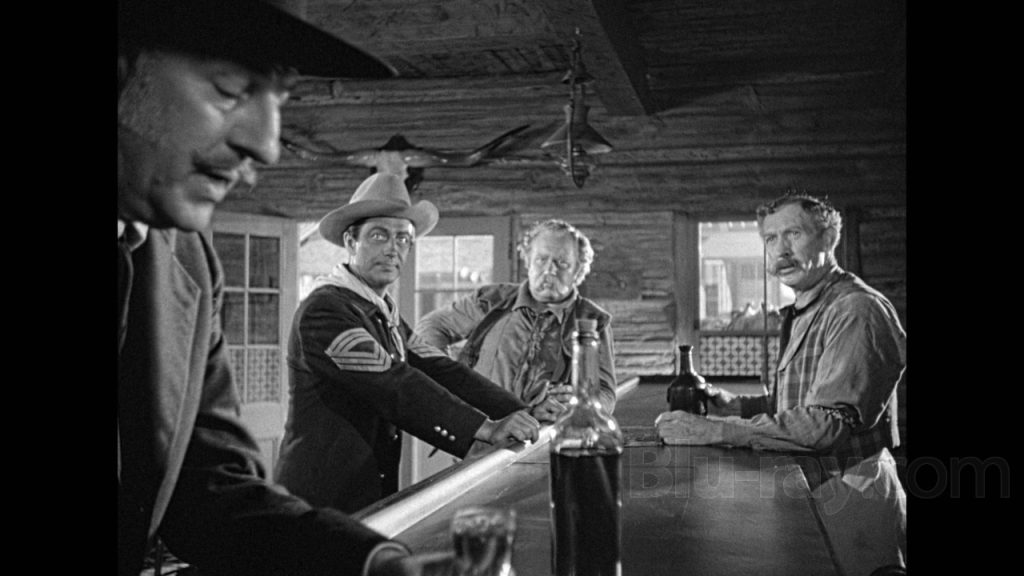
“Devil’s Doorway” opens with some reservations about Taylor’s portrayal of a Native American. The inconsistency in his makeup across different scenes does not help the situation. However, after about thirty minutes, when he appears in full traditional attire, Taylor delivers a compelling and believable performance. His stoic mid-life screen persona suits the role perfectly, showcasing one of his best performances. Moreover, the film is elevated by director Anthony Mann, who collaborates with photographer John Alton to create beautifully framed and staged scenes. While the “pro-Indian” theme was not new, it had become a rare subject in cinema at the time.