

Northwest Passage (1940) (BLU-RAY REVIEW)
Director: King Vidor, Jack Conway, W.S. Van Dyke
Starring: Spencer Tracy, Robert Young, Walter Brennan
RATED: UR/REGION 0/1:37/1080P/NUMBER OF DISCS 1
AVAILABLE FROM Warner Archive Collection

In the vast tapestry of classic American cinema, some films shine with the brilliance of an untamed wilderness, while others stumble over their own ambitious narrative. “Northwest Passage,” released in 1940 and starring the formidable Spencer Tracy, finds itself belonging to the latter category. Despite its promising premise, the film ultimately feels like a meandering expedition devoid of true excitement and depth.
Set against the backdrop of the brutal and breathtaking Canadian wilderness, the plot follows Major Robert Rogers (Tracy) and his band of rugged frontiersmen as they undertake the treacherous expedition to locate the elusive Northwest Passage. The historical context is rich with potential, yet the film struggles to forge a meaningful connection between those historical events and the characters we are supposed to root for. Instead, what unfolds is a series of episodic adventures that fail to culminate in a cohesive and resonant narrative.
The film’s tone wavers inconsistently, oscillating between moments of camaraderie and grim battle sequences that do not seem to blend harmoniously. While the story aims for the grandeur of epic adventure, the lack of emotional depth renders much of it hollow. The dialogue, although sprinkled with moments of wit, often falls flat, failing to create the camaraderie that should bind the characters as they face the brutal elements of nature and one another. This disconnect leaves one yearning for the kind of thrilling dialogue that propels a classic adventure film.
Spencer Tracy, often a stalwart of magnetic performances, does his best to elevate the material, portraying Rogers with his signature charm and gravitas. However, even his magnetic presence feels stifled by the shallow characterizations around him. The supporting cast is equally admirable, yet their characters lack the development necessary to leave a lasting impression. You can’t help but feel that these talented actors are trapped in a script that insists on expanding the narrative at the expense of true character arcs.
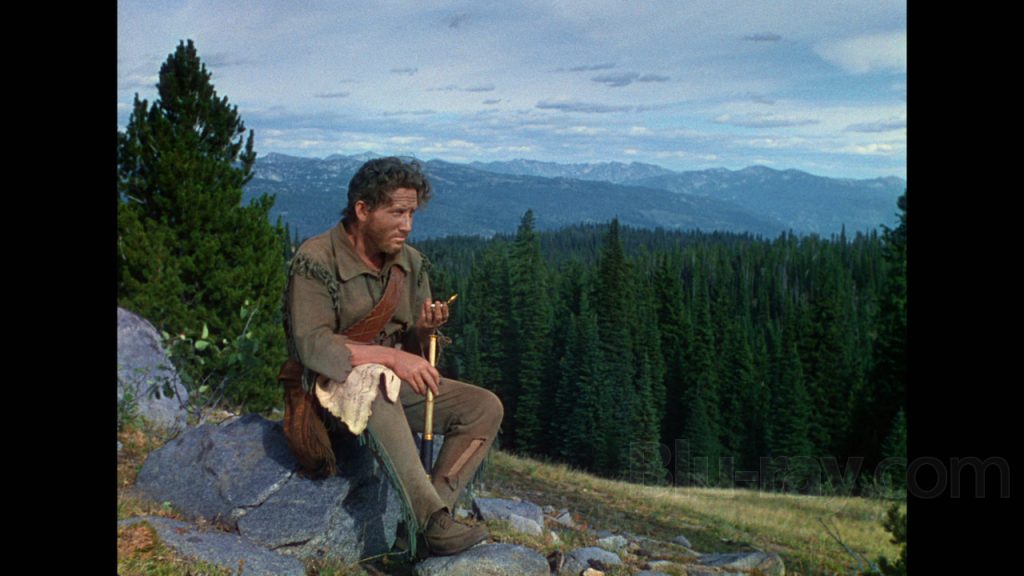
Visually, “Northwest Passage” features striking cinematography that captures the jagged beauty of the Canadian landscape—a kaleidoscope of greens and whites that depict both the allure and danger of the setting. Yet, the stunning vistas alone cannot salvage a film that often feels languid and overlong. At times, the pacing drags as scenes seem to stretch on without the propulsive energy that one expects from an adventure film. The editing lacks the sharpness needed to keep audiences engaged, leading to a feeling of fatigue long before the credits roll.
The film’s score, while in service of enhancing the adventurous spirit, leans too much into melodrama, overshadowing emotional moments rather than elevating them. Many scenes intended to be stirring instead drift into the realm of cliché, robbing audiences of what could have been poignant reflections on bravery, loyalty, and sacrifice.
It’s disheartening to witness a grand vision falter when the journey—not the destination—should deliver a powerful emotional payload. “Northwest Passage” may have set out to be a milestone in adventure cinema, but it falls short of leaving a significant mark. The exploration of uncharted territories no longer feels tantalizing; rather, it comes across as a tedious trek fraught with missed opportunities.
In summation, while the film contains seeds of potential and moments of beauty, it ultimately feels like a saga directionless—a forgotten path in the annals of adventure cinema that fails to fulfill the high hopes it inspires.
Extras
- Northward, Ho!
- Theatrical Trailer